
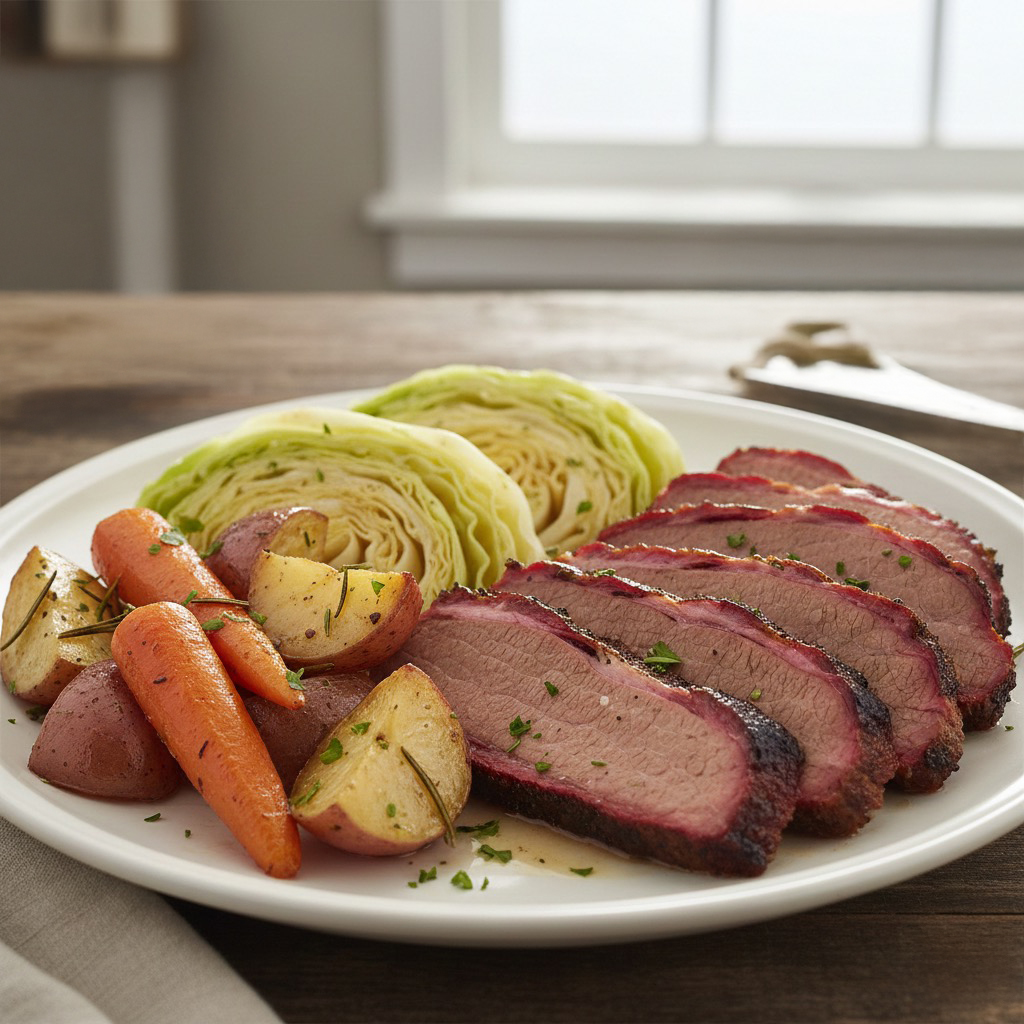
story by MARCUS WILLIAMS photo by GRUBBANA STUDIOS
For some folks, St. Patrick’s Day means parades, green outfits, or heading to mass. For others, it’s just an excuse to eat corned beef for dinner, maybe have a Guinness on the side, and to top it all off, one of those cupcakes with the green frosting from the grocery store.
Related: Turn Canned Corned Beef Into a St. Patrick’s Day Dinner
If the Irish holiday isn’t usually a big production in your house, it’s easy to forget to buy corned beef or to pull it out of the freezer in time to thaw. And if that’s what landed you here, here’s the good news: if you have a steak on hand—something like a London broil or a round roast—you can still pull off a very convincing St. Patrick’s Day dinner, no multi-day brine required.
What Actually Makes Corned Beef Taste Like Corned Beef?
Traditional corned beef—the vacuum-sealed kind you find at the store—gets its signature texture and flavor from a long salt cure. The beef is brined for five to ten days, which firms up the meat and seasons it all the way through. That process also gives corned beef its familiar pink hue.
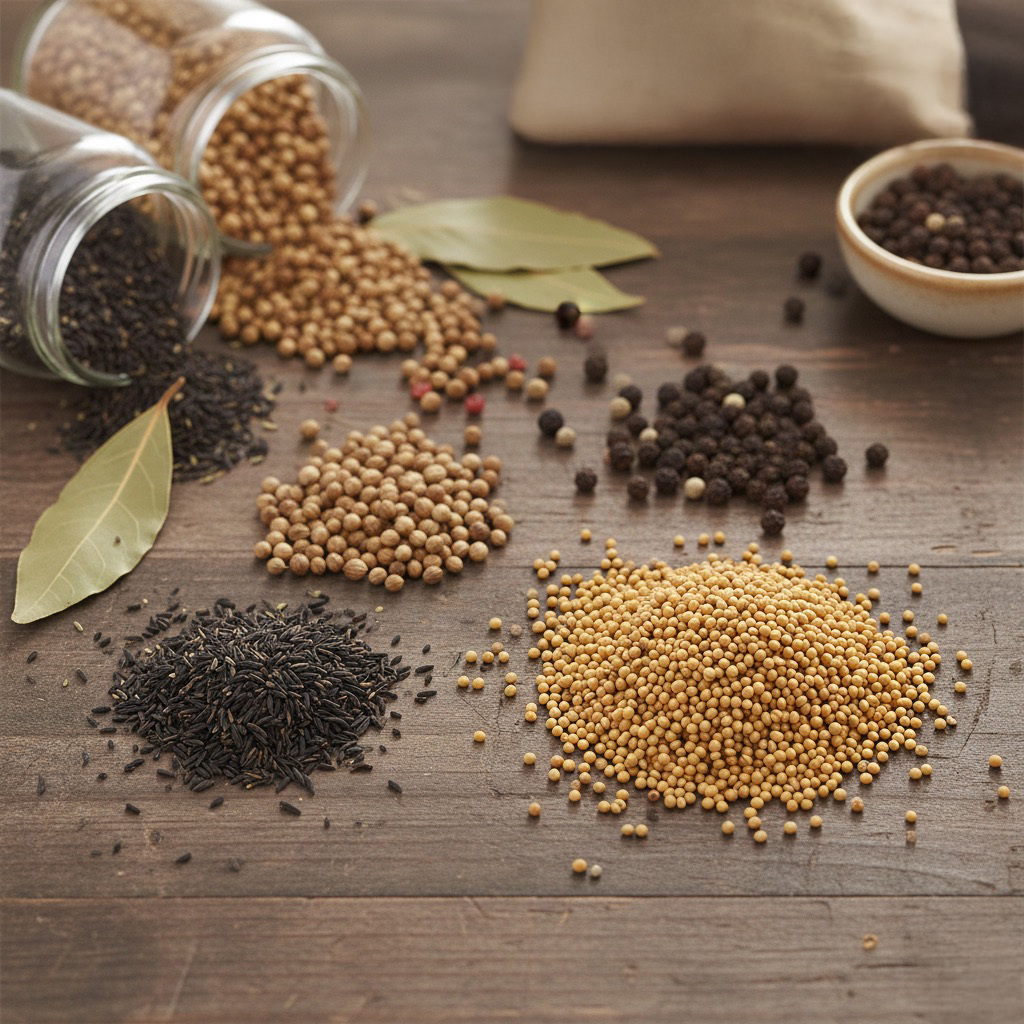
But the flavor doesn’t come from salt alone. Corned beef is defined by its spice blend, often sold as pickling or corning spices. Mustard seeds, black peppercorns, coriander, bay leaf, and dill seed form the backbone. Allspice berries, cloves, cardamom, celery seed, or ginger sometimes make an appearance, depending on the blend. That combination is doing more heavy lifting than most people realize.
A Same-Day Corned Beef Shortcut That Actually Works
Brining your own corned beef at home isn’t especially difficult, it just takes time. If you’ve got days to spare, great. If you’ve got an afternoon, there’s another way.
The shortcut is less about speeding up the curing process and more about replicating the flavor and texture. Corned beef is about salt, spice, and moisture. With a quick flavor soak, a low-and-slow simmer, and the right seasoning, you can get surprisingly close in just a few hours.
This won’t be authentic corned beef, and it won’t have that classic cured pink color. But once it’s sliced thin and served with cabbage, carrots, potatoes, and mustard, it absolutely scratches the St. Patrick’s Day itch.
The Best Beef to Use for Imitation Corned Beef
Corned beef is traditionally made from brisket, a relatively lean cut that holds its shape after long cooking. Since we’re improvising, you have more flexibility—but the cut you choose will affect the final result.
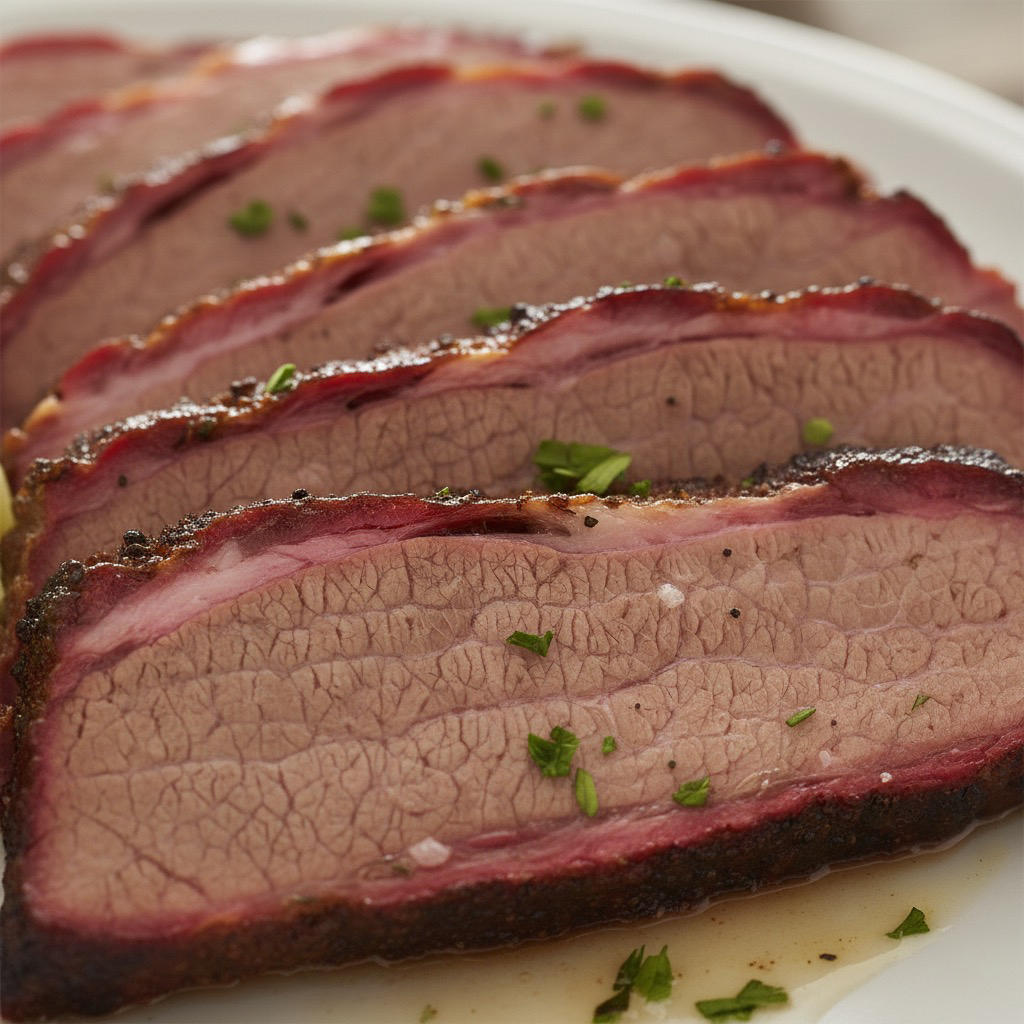
Fatty cuts like ribeye or chuck will cook up soft and shreddy, with more pot-roast energy than deli-style corned beef. Leaner cuts—London broil, top or bottom round, eye of round, or even flank steak—stay firm and slice cleanly, which better mimics the texture people expect.
If you’re not chasing slices at all, ground beef can also work in a pinch. Treated with the same spices, it makes an excellent base for cabbage bowls, hash, or even a St. Patrick’s Day–inspired shepherd’s pie. For the recipe below, though, London broil is ideal.
Shortcut “Corned Beef” Recipe
This corned-beef-inspired recipe delivers the salty, spiced flavor people crave on St. Patrick’s Day—without a multi-day brine. A gentle simmer (or slow cooker shortcut) and the right seasoning transform an inexpensive London broil into something convincingly corned-beef adjacent in just a few hours.
Ingredients:
- 1½–2 lb London broil
- 4 cups beef broth
(or use 3 cups beef broth + 1 cup beer or Guinness) - 1½ tablespoons kosher salt
- 1½ tablespoons brown sugar
- 1 tablespoon pickling spice
(or a mix of black peppercorns, mustard seed, coriander seed, bay leaf, and allspice) - 1 teaspoon garlic powder
- 1 tablespoon apple cider vinegar
- 1 tablespoon Worcestershire sauce
- 1 small onion, sliced
- Optional: a splash of beet juice or balsamic vinegar, for a hint of color
Instructions:
- Prepare the cooking liquid: In a large pot or Dutch oven, combine the beef broth (and beer or Guinness, if using), kosher salt, brown sugar, pickling spice, garlic powder, apple cider vinegar, Worcestershire sauce, and sliced onion. Stir until the salt and sugar dissolve.
- Add the beef: Place the London broil into the pot, turning it once to coat. Add a small splash of beet juice or balsamic vinegar if using.
- Simmer gently: Bring the liquid just to a low simmer over medium heat, then reduce the heat to low. Cover and cook for 2½ to 3 hours, maintaining a gentle simmer—avoid boiling, which can toughen the meat.
- Slow Cooker Option: Transfer everything to a slow cooker. Cook on LOW for 6–7 hours or HIGH for 3–4 hours, until the beef is tender but still sliceable.
- Rest and slice: Remove the beef and let it rest for 10–15 minutes. Slice thinly against the grain for the best texture.
- Serve: Serve hot with boiled or braised potatoes, carrots, and cabbage. Spoon some of the cooking liquid over the meat and serve with mustard on the side.

Leave a Reply