
➤ story by KEVIN NGUYEN • photos by GRUBBANA STUDIOS
Irecently tried muktuk for the first time (and probably the last time), and walked away feeling like the luckiest person in the world.
Whale blubber is not something most people will ever encounter. Because whales — including narwhals and belugas — are protected marine mammals, they cannot be hunted for sport or sold commercially. Access to muktuk comes through Indigenous subsistence hunting, and any non-Indigenous person who tastes it is doing so because someone chose to share it.
Like many others, my first introduction to muktuk was through TikTok. It started when I saw a vlog-style video of Inuk creator Shina Nova eating what I later discovered was raw beluga alongside her mother. I was hooked. The more videos I watched, the more obsessed I became with one question: What does that taste like?
I happened to get lucky when a friend connected me with someone willing to share a small portion of narwhal muktuk. After years of wondering, I finally got my answer.
How Does Muktuk Taste?
The best way I can describe it is this: it’s what pork belly would taste like if pigs lived in the ocean.
That’s obviously not a perfect comparison, but it’s the closest thing I have. It tastes distinctly of the sea, but not in a fishy way. The flavor is clean, mild, and surprisingly approachable. If you’ve ever had very fresh seafood that tastes like the ocean breeze smells, that’s the direction we’re heading.
What Is the Texture Like?
The texture surprised me more than the flavor. Before trying it, I expected the blubber (the whiteish part) to be rubbery and bounce back when bitten. Instead, it was remarkably tender. It’s oily, but not greasy. Think chilled pork fat with a delicate, almost silky texture.
The darker grayish skin is another story. It’s chewy and requires some work. The closest comparison I could come up with was the firm muscle attached to a clam or mussel, or the cartilage from a chicken bone. That contrast between the tender blubber and chewy skin is what makes muktuk so interesting to eat.
Where to Buy Muktuk
The short answer is you won’t be able to buy muktuk anywhere (at least not ethically).
Whale meat and whale blubber are not sold commercially, which means your chances of stumbling across it at a specialty food shop are zero. For curious foodies, the closest you’ll get is hearing someone describe it or making an imitation version at home. Which is exactly what I decided to do.
After tasting the real thing, I spent several weeks experimenting with pork belly, seaweed, and different preparation methods to recreate the two things that stood out most: the ocean-like flavor and the unique texture.
The result isn’t identical, but it’s close enough that it earned a stamp of approval from my new Alaskan friend (the one who graciously shared the muktuk with me). Check it out below:
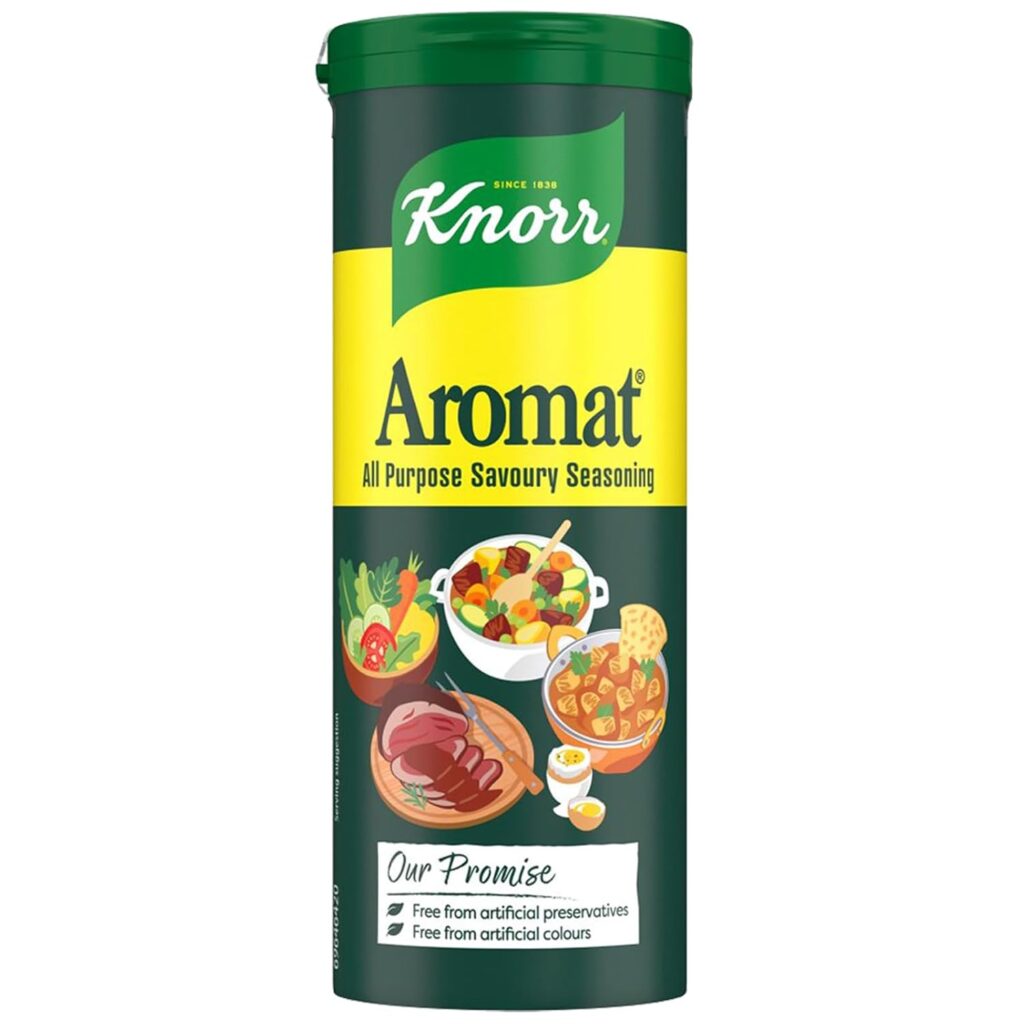
Knorr Aromat Seasoning for Muktuk (from $7)
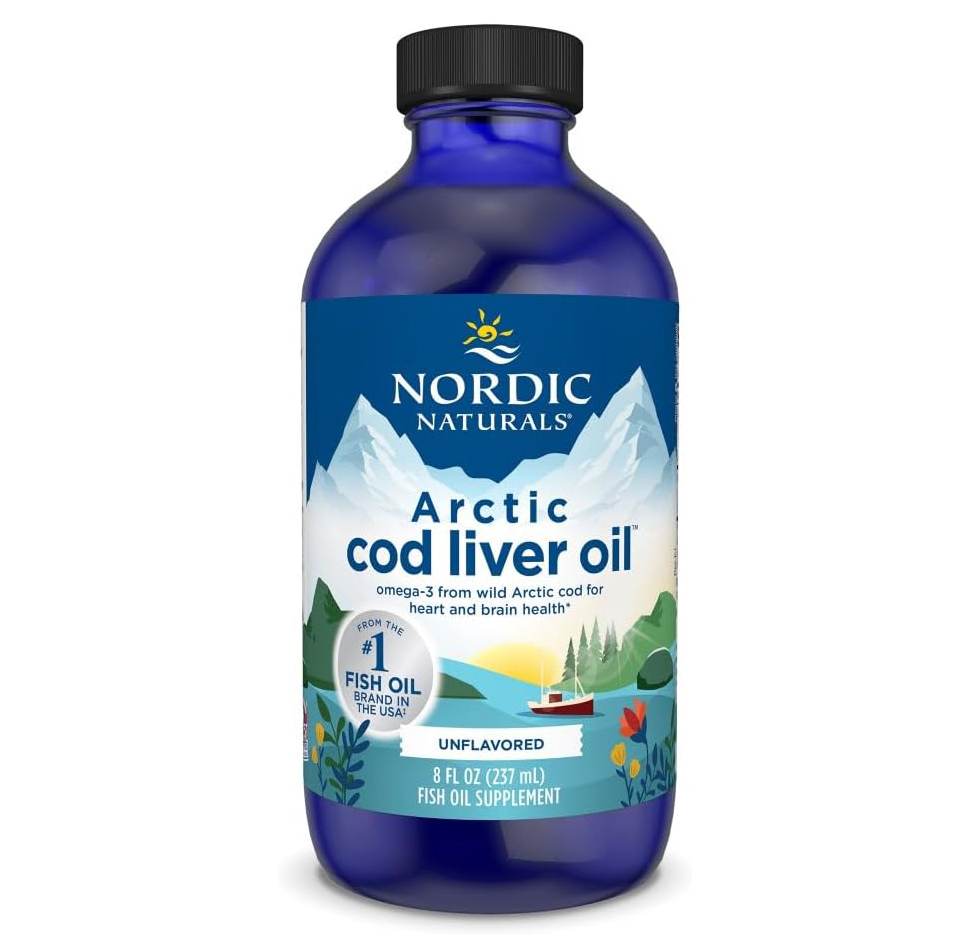
Arctic Cod Liver Oil (from $29)
Imitation Muktuk Recipe
This recipe focuses on recreating the texture and flavor experience of muktuk using ingredients that are readily available in most grocery stores.
Ingredients
- 1 pound skin-on pork belly
- 2 cups cold water
- 3-4 sheets nori, torn into pieces
- 1 bottle (8 oz.) clam juice (check the canned tuna aisle)
- 1 teaspoon Arctic deep-sea fish oil or another food-grade omega-3 fish oil
- Aromat or soy sauce for serving
Directions
- Brine the pork belly: Combine the water, nori, and clam juice. Trim away most of the lean meat from the pork belly, leaving the skin attached to a thick layer of fat. Submerge the pork belly in the brine and refrigerate for 12 to 24 hours.
- Cook gently: Place pork belly with the skin side up in a small baking dish with the brine liquid, but keep the skin completely above the liquid. Pat it dry. Bake at 250°F (120°C) for about 2½–3 hours, until the fat is very tender but still holds its shape.
- Chill completely: Cool to room temperature, then freeze until solid.
- Partially thaw: Transfer to the refrigerator for several hours, or let sit at room temperature for 20–30 minutes, until the center is still quite cold but sliceable.
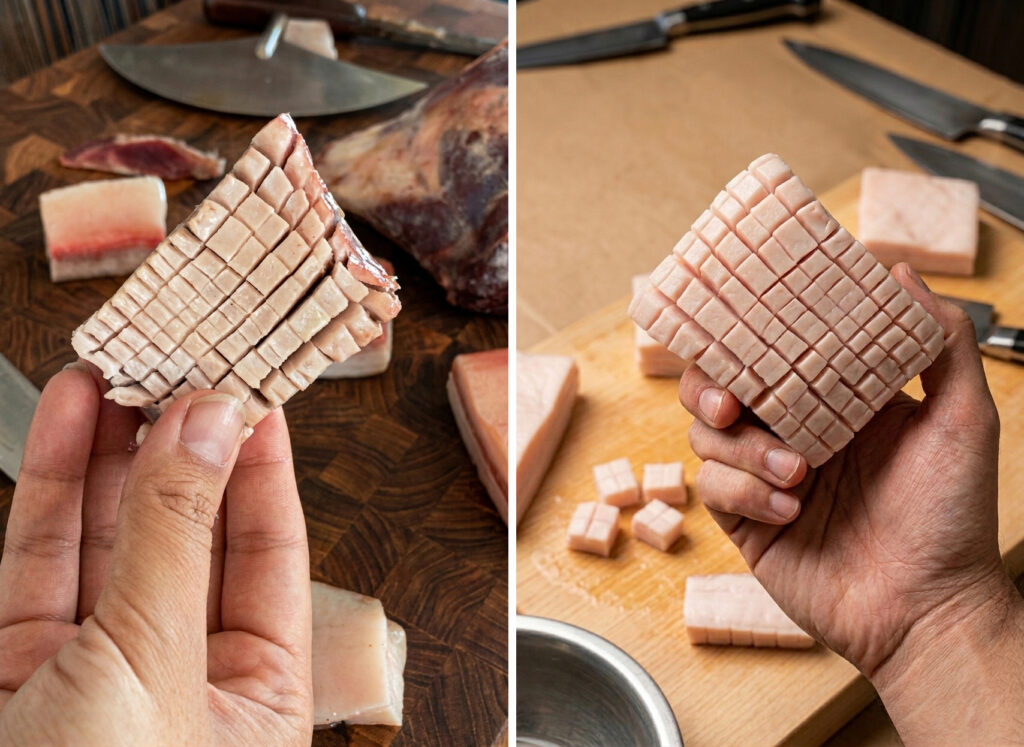
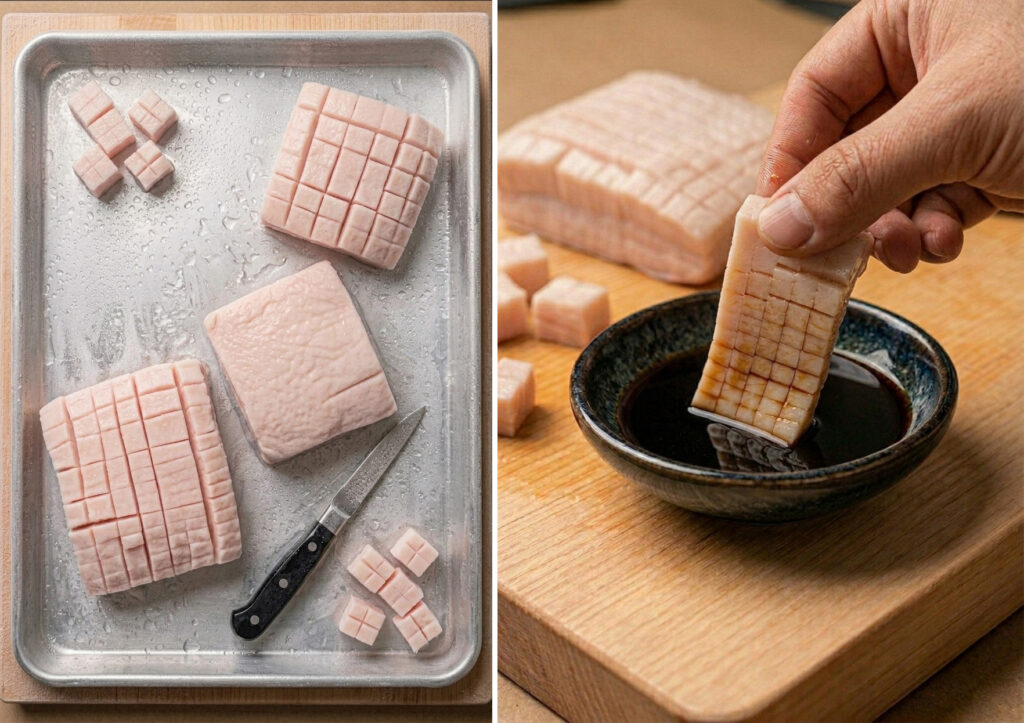
- Finish: Cut into small cubes and lightly brush with the fish oil just before serving.
- Serve: Dip into soy sauce or sprinkle with aromat, a common seasoning/garnish added to muktuk.
Why This Works:
- Nori in the brine adds a subtle marine flavor.
- Low-temperature cooking keeps the fat soft instead of rendering it completely.
- Freezing and partial thawing recreates the firm-yet-tender texture that chilled muktuk has.
- Fish oil provides the clean oceanic note that pork alone cannot achieve.

Leave a Reply